
 MLB
MLB Arizona Diamondbacks
 Atlanta Braves
 Baltimore Orioles
 Boston Red Sox
 Chicago Cubs
 Chicago White Sox
 Cincinnati Reds
 Cleveland Guardians
 Colorado Rockies
 Detroit Tigers
 Houston Astros
 Kansas City Royals
 Los Angeles Angels
 Los Angeles Dodgers
 Miami Marlins
 Milwaukee Brewers
 Minnesota Twins
 New York Mets
 New York Yankees
 Oakland Athletics
 Philadelphia Phillies
 Pittsburgh Pirates
 San Diego Padres
 San Francisco Giants
 Seattle Mariners
 St. Louis Cardinals
 Tampa Bay Rays
 Texas Rangers
 Toronto Blue Jays
 Washington Nationals
 NBA
NBA Atlanta Hawks
 Boston Celtics
 Brooklyn Nets
 Charlotte Hornets
 Chicago Bulls
 Cleveland Cavaliers
 Dallas Mavericks
 Denver Nuggets
 Detroit Pistons
 Golden State Warriors
 Houston Rockets
 Indiana Pacers
 Los Angeles Clippers
 Los Angeles Lakers
 Memphis Grizzlies
 Miami Heat Patches
 Milwaukee Bucks
 Minnesota Timberwolves
 New Orleans Pelicans
 New York Knicks
 Oklahoma City Thunder
 Orlando Magic
 Philadelphia 76ers
 Phoenix Sun
 Portland Trailblazers
 Sacramento Kings
 San Antonio Spurs
 Toronto Raptors
 Utah Jazz
 Washington Wizards
 NFL
NFL Arizona Cardinals
 Atlanta Falcons
 Baltimore Ravens
 Buffalo Bills
 Carolina Panthers
 Chicago Bears
 Cincinnati Bengals
 Cleveland Browns
 Dallas Cowboys
 Denver Broncos
 Detroit Lions Patches
 Green Bay Packers
 Houston Texans
 Indianapolis Colts
 Jacksonville Jaguars
 Kansas City Chiefs
 Las Vegas Raiders
 Los Angeles Chargers
 Los Angeles Rams
 Miami Dolphins
 Minnesota Vikings
 New England Patriots
 New Orleans Saints
 New York Giants
 New York Jets
 Philadelphia Eagles
 Pittsburgh Steelers
 San Francisco 49ers
 Seattle Seahawks
 Tampa Bay Buccaneers
 Tennessee Titans
 Washington Commanders
 NHL
NHL Anaheim Ducks
 Arizona Coyotes
 Boston Bruins
 Buffalo Sabres
 Calgary Flames
 Carolina Hurricanes
 Chicago Blackhawks
 Colorado Avalanche
 Columbus Blue Jackets
 Dallas Stars Patches
 Detroit Red Wings
 Edmonton Oilers
 Florida Panthers
 Los Angeles Kings
 Minnesota Wild
 Montreal Canadiens
 Nashville Predators
 New Jersey Devils
 New York Islanders
 New York Rangers
 Ottawa Senators
 Philadelphia Flyers Patches
 Seattle Kraken
 St. Louis Blues
 Tampa Bay Lightning
 Toronto Maple Leafs
 Vancouver Canucks
 Vegas Golden Knights
 Washington Capitals
 Winnipeg Jets
How What Why
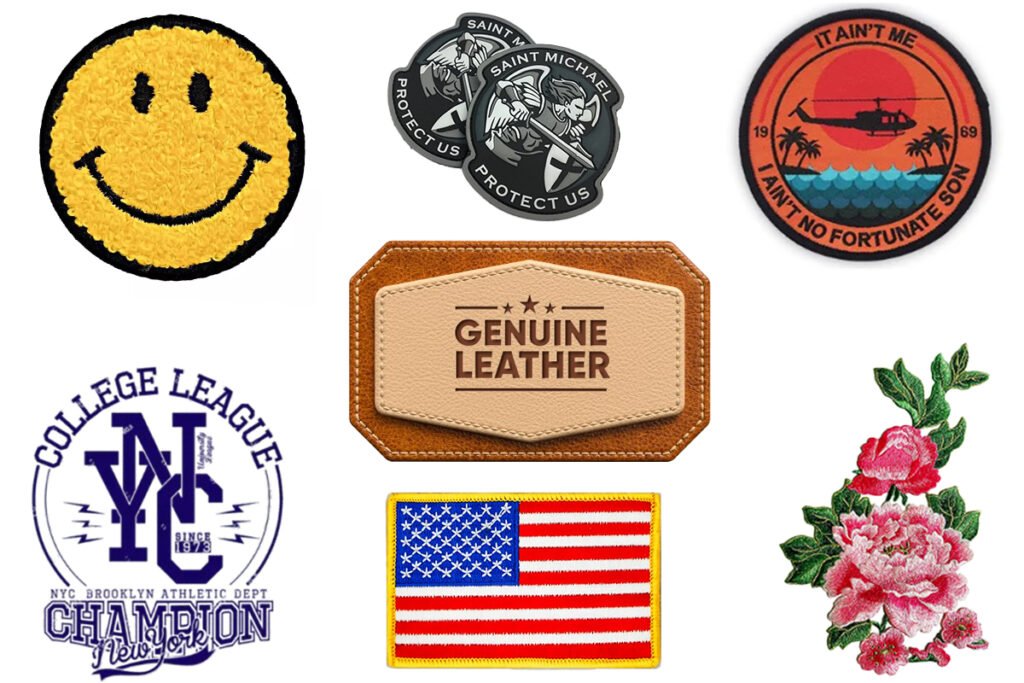
Explore 7 Different Types of Patches and Their Uses
Oct
Patches are tiny pieces of leather, PVC, fabric or another material with symbols or logos on them. They add flair to apparel and accessories, tell stories and signify excellence for many years. These patches have always reached people’s lives whether it is soldiers adorned with badges of honor or teenagers customizing denim jackets.
People love patches because they are adaptable, useful and for some it is a way to show their individuality. According to some, patches are collectibles that have specific designs, titles or thoughts. They are also necessary for uniforms which stand for honor and participation in the armed forces, scouts, sports organizations and even educational institutions. They can make everyday items more charming which appeals to consumers and trendsetters alike.
In this blog, we will explore the most popular patch types and their uses.
7 Types of Patches You Need to Know
1. Embroidered Patches

Embroidered patches are a traditional, reliable and sturdy method for logo branding, team players, flags or bold text.
They are popular for branding uniforms, identifying clubs and schools and styling fashion items like jackets, jeans and bags etc. These patches are durable, withstand daily wear, multiple washings and outdoor use to make them an affordable choice. They combine fashion and culture that make them an ideal choice for advertising, uniforms or fashion too.
2. Woven Patches

Woven patches are known for their fine details and sleek texture that make them ideal for designers, clothing brands and other accessories.
They are thinner and lighter and are compatible with fine and lightweight clothing. Woven patches add vibrancy to designs, highlighting tiny symbols or motifs overlooked by embroidery. They offer comfort and clarity in a modern way that is ideal for daily use.
3. PVC / Rubber Patches

PVC patches, also known as rubber patches, are durable, waterproof and weatherproof plastic patches used in outdoor clothing, sports uniforms and security personnel.
They offer a 3D appearance that makes logos and icons pop out. PVC patches are available in multicolor options with embossed or debossed details and even glow effects which make them attractive for creative projects and modern fashion accents. They can withstand heat, rain and regular use without losing their bright appeal.
4. Chenille Patches

Chenille patches are known for their texture and retro vibe and are popular across schools and universities to celebrate student success.
They add a touch of nostalgia to clothing and are ideal for bolder graphics. These patches also express respect and heritage to bring back the vintage charm of warm and personal patches.
5. Leather Patches

Any item can benefit from the stylish and durable addition of leather patches which are ideal for branding and enhancing the look of clothing, bags and accessories.
Denim companies often use them as a quality mark because they are strong enough and resistant to wear. They are a smart choice for those who want strength and class with a nostalgic look.
6. Applique Patches:

Adding appliqué patches to clothing, purses or home décor is a smart way to add charm. Their textured look is created by sewing layers of fabric onto a base. The soft and handmade look of them make it trendy in fashion and there are many options for fabrics, colors and layering types. Applique patches offer greater design options and choice than PVC or embroidered patches.
7. Printed Patches:

When compared to other patch types, printed patches are known for their capacity to create delicate designs on fabric. They are also perfect for clothes, giveaways and advertising items.
They are liked by companies, clubs and campaigns because they are lightweight and affordable for bulk purchases. Printed patches are a great option for maximum creativity with little effort as they deliver eye-catching designs despite lacking the texture of leather or embroidery.
How to Use Different Types of Patches
Patches can be used on a variety of items such as backpacks, denim, hats and jackets etc. They add charm to any fashion items and uniforms to highlight identities. Patches are not only collectibles but can also tell narratives about events, teams or journeys. Additionally, they are ideal for DIY alteration projects to allow people to express what they like by adding objects or recycling old clothing.
Some Commonly Ask Questions About Patches
Yes, most iron-on patches can but embroidered, leather and chenille patches usually need to be sewn.
You may use a strong needle and matching border thread to stitch around every edge for a secure finish.
PVC and embroidered patches are the most durable and long-lasting options.
Most fabrics are suitable but sensitive or stretchy materials work better for sewing than ironing.
The safest approach is hand washing as PVC can be wiped clean but embroidered patches should be gently cleaned.
Conclusion
The patches are symbols of fashion and creativity from the classic embroidered patches to the modern PVC patterns. They are used for many things such as clothing, collecting and professional identity. There is a large collection of patch types such as woven, embroidered, leather, chenille, PVC, Velcro, iron-on and leather. They can be mixed and matched to create many different designs.
You should consider the story or message you want to convey when you go through patches and pick the types that best represent it.
